
Rainwater Harvesting Systems in Residential Projects
2025-11-03 · arkiste-editorial
Sustainable Living: Integrating Rainwater Harvesting in Residential Projects
A domestic house system with a rainwater harvesting system could save as much as 50% of water consumption for property owners.
Here’s an example of how much that could mean. Let’s say you have a roof that sheds water of around 5.5 square meters of space. You get 800 mm of rain a year. That means the roof itself could yield as much as 975 imperial gallons or 3.4 cubic meters of water. That’s an underestimate for some climates.
Rainwater harvesting (RWH) is a sustainable solution for improving water use. It solves water scarcity concerns by allowing property owners to significantly reduce the amount of water they need to receive from the public utility.
This article explores the importance, benefits, and design principles of rainwater harvesting systems with real-world examples and implementation tips.
A rain barrel connected to your guttering system could make huge differences in your ability to consume the planet’s water. Let’s dive in.
Understanding Rainwater Harvesting Systems
 ### What is rainwater harvesting?
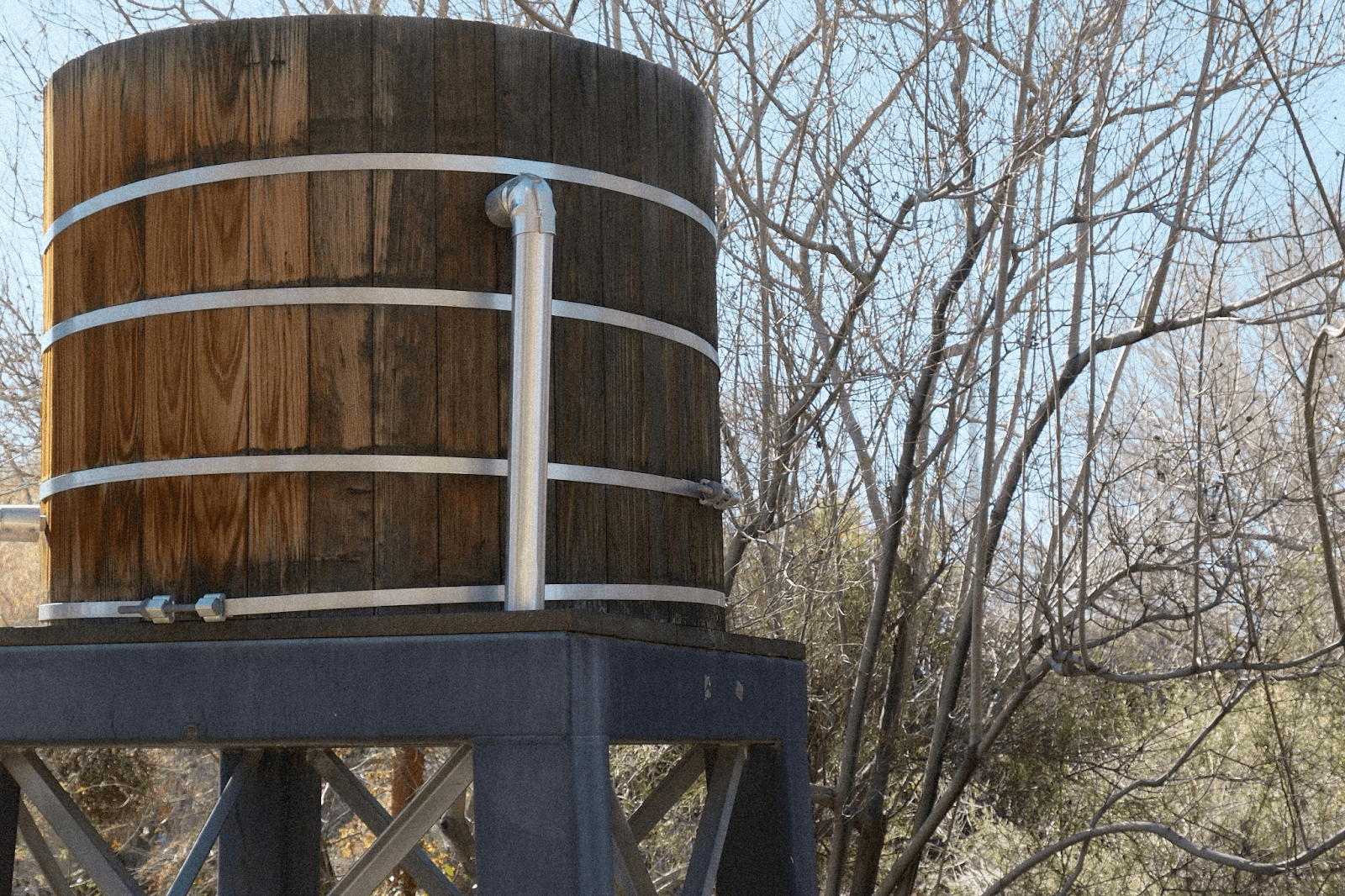
Rainwater harvesting is the collection of rainwater for reuse onsite. Instead of letting the rain runoff into the garden, it’s collected. It’s then used for various other tasks. It’s not treated at a water plant. Instead, it’s used for safe applications right at your location.
There are several ways that it can be used:
-
Direct systems: These collect rainwater and allow immediate use of that water. Water in a rain barrel can easily be used to water your fruits and vegetables growing outside.
-
Storage systems: These store water so it is available for later use. Examples include washing clothing or flushing toilets.
Why do residential projects need rainwater harvesting?
Let’s be frank. It’s a lot easier to just turn on the faucet and watch the water come out. From an eco-friendly perspective, rainwater harvesting is a critical part of taking care of the planet. Consider some of the reasons for this:
-
It reduces dependency. Reducing dependency on groundwater and municipal water sources can protect the environment. This reduces demand. That is particularly important in areas where water scarcity is a concern.
-
Lower water bills. Who wants to pay more for water than they need to? Using rain is free (once you have a system in place). It reduces your overall costs.
-
Supports sustainable living. One study found that 9.7 billion cubic metres of wastewater flow through German sewers each year alone. That water is then treated, pumped around, and processed in numerous other ways. Harvesting rainwater could reduce the carbon footprint of those communities.
To take that figure a bit further, consider this. About 90% of rainwater ends up being runoff water. That means it is heading into that treatment cycle, driving up costs.
The bottom line is that using rainwater can:
-
Support replenishing groundwater supplies sooner
-
Reduces overdrawing water from groundwater
-
Ensures healthier soil and plants with less contamination from chemicals and treatment process
-
Makes home environments more affordable to maintain
-
Just makes sense
Components of a Rainwater Harvesting System
 It’s hard to overlook all of these benefits. Yet, many do because they don’t know how to build a rainwater harvesting system. They may not realize just how within reach it is. Let’s break down some of those factors here.
Key Elements of an Efficient RWH System
There are several core components that make up the rainwater harvesting system. Let’s break them down:
Catchment Area
Here’s the top of the project. It’s the roof surface. This is where we want to capture the rainwater. It’s the initial point of contact for collecting rainwater. Consider:
-
Surface area: How much space is there to capture water? Larger roofs capture more. If your home’s roof is too small, consider any additional structures, such as outbuildings.
-
Material: Choose non-absorbent, smooth surfaces. Metal roofs are ideal. This enables as much water as possible to run off and minimizes contamination.
-
Slope: The roof’s pitch determines the speed and efficiency at which the water moves to the next point of the process.
Conveyance System
Rain hits the roof. Where is it going? Into the conveyance system, which incorporates your gutters and downspouts.
-
Gutters: Attached horizontally to the roof’s edges, these collect and then move rain to the downspouts. It must be large enough to move large amounts of water in a heavy storm. Aluminium and vinyl are better options for affordability. Stainless steel and copper are more durable. Aluminium tends to be ideal because it's durable, lightweight, and resistant to corrosion.
-
Downspouts: These are the vertical descent portion of the system. They prevent the now-captured rain from spilling over the sides of the building. The material tends to match gutters. The number of downspouts is dependent on the size of the roof. You also want to ensure that if there’s more than one, they are evenly distributed across the surface.
Filtration Units
The filtration system does just what it sounds like. It captures the big debris and other materials in the water that you’ve now collected. Various filtration options exist. The type selected is dependent on budget and overall functionality. Here’s what to consider:
-
Sediment filtration: It’s the initial, crucial step in the process. It eliminates physical contaminants, including debris, soil, dust, and other items commonly found in gutters. It’s a preliminary barrier. This is positioned downstream to prevent blockages in the initial collection system.
-
Carbon filtration: After this, carbon filters refine water quality by improving the taste, smell, and clarity of water. It removes organic substances, including chlorine and other pollutants, through activated carbon. Most often, it’s positioned right after the sediment filter.
-
UV light disinfection: A third filtration option uses UV light to damage any DNA from organisms that may still be in the water, making those organisms harmless.
Each of these components is critical and does a different task. They operate, typically, one after the other.
Storage Tanks
Now, where will your water go? Rainwater storage tanks can be above or below ground. Cost, longevity, and efficiency play a role in the material selection. Some of the most common forms include:
-
Polyethylene tanks: Lightweight, durable, and corrosion resistant, these tend to be the least expensive option, with a wide range of sizes to select from. They work in both above and below-ground applications. Both residential and commercial applications are effective. They do degrade over time due to UV light.
-
Fibreglass tanks: Fiberglass tanks are far more stable because the material is rigid, and fibreglass is easy to repair when necessary. They are prone to breakage.
-
Metal: Metal, such as stainless steel, is the most durable, but it also costs the most. It holds large amounts of water, making it ideal for industrial or large-scale projects.
Distribution Systems
Now that your harvested rainwater is in the tank, how does it move to where you need it? That’s where the distribution system fits in. There are various components of this:
-
Pumps: Piping and pumps can move water to the desired locations. Both submersive and external pumps, as well as automatic and manual, are options. Consider the distance the water needs to travel. Piping is the network that runs throughout the property.
-
Gravity-fed systems: In new construction and bigger projects, let gravity do some of the heavy lifting for you. These systems are efficient. They keep costs and maintenance much lower.
Combining both of these systems can create the ideal arrangement. It will facilitate the movement of water in the most efficient but reliable manner.
Design Principles for Residential Rainwater Harvesting
With so many components, there’s much to think about here. Let’s take a look at the factors that contribute to a residential system.
Planning and Implementation
Before getting started, consider the following steps in planning for your system. A formal design should always be the starting point. It must address:
-
What is the realistic amount of rainfall in the area? Use local data to source this information.
-
What is the roof area? This provides insight into the possibilities for potential collection.
-
How much water is used on the property? Looking at utility bills can offer insight into this area to determine how much of an impact such a system can have.
-
How big should the tank be? To meet your water consumption needs, you’ll want to consider a tank that offers enough storage for several weeks or longer. The size is dependent on the amount of rain in the area versus the roof size.
-
Where will you place the tank? Location matters. Short distances to the desired area minimize the work the system must do. You also need to consider efficiency and safety.
-
How will this system integrate with existing plumbing systems? Consider any limitations on current plumbing concerns. Proper drainage of tanks and movement of used water should be a consideration.
Ensuring Efficiency and Sustainability
The benefit of a rainwater harvesting system is that it promotes sustainability. It also reduces consumer costs. Consider those factors from the design process onward. There are several tips to consider that could implement improved efficiency.
-
Eco-friendly materials are a must. Choose materials that do not further task the planet. Stainless steel is long-lasting but far more toxic to the planet in its design phase. Consider materials that are less impactful for the environment by reusing products.
-
Maintain the system. Over time, filters, plumbing, and pumps will need maintenance. This can significantly improve overall performance. That saves even more money.
A carefully selected system designed for your specific land features and needs maximizes outcome. Create a careful design that focuses on each of these areas for maximum results.
Case Studies: Residential Projects with Rainwater Harvesting Systems
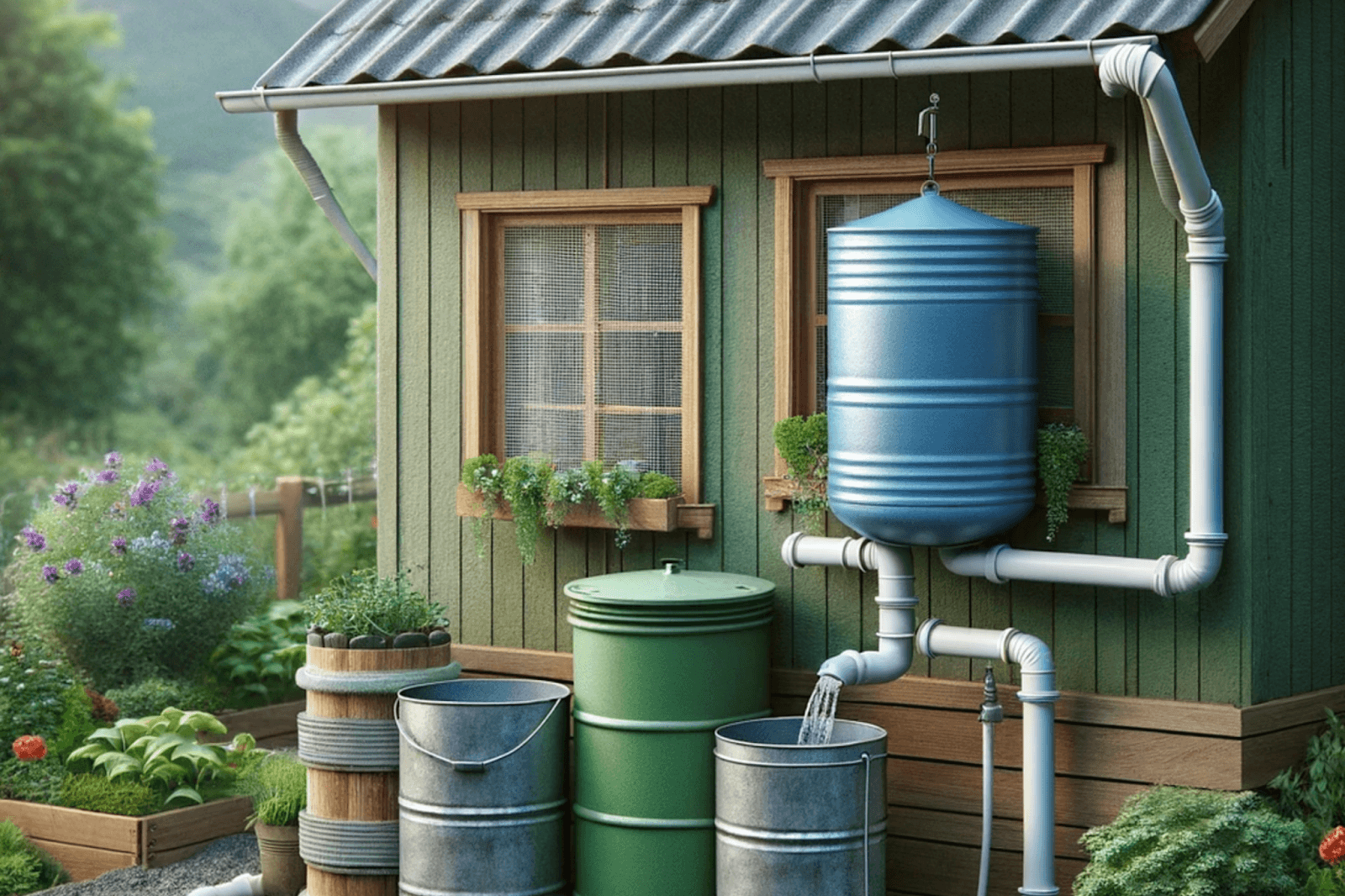 Take a closer look at some examples of how these systems can work. You’ll notice they fit most applications. That’s even the big city. This is not just a farm-based project.
1. Urban Residences: Maximizing Small Spaces
Select a compact rooftop rainwater harvesting system design here. It’s placed on top of an urban apartment complex. Space is limited to some degree. However, as a multi-family property, utilizing the entire roof’s surface could increase functionality.
Consider systems that use gravity to move collected rainwater. The hardest part may be a storage tank. Underground systems or those located on the flat roof of the structure may facilitate functionality here.
2. Suburban Homes: Large-Scale Rainwater Collection
The placement of a rainwater harvesting system on the property of a single-family home could facilitate enough water collection to meet most of the needs on that property. It can be used for irrigation of landscaping. Use it for laundry and flushing. This environment offers ample flexibility in design.
Key limitations may include local building codes and homeowner’s association restrictions. Also, consider the professional build carefully. That ensures long-term added value to the home.
Off-Grid Residences: RWH for Self-Sustainability
Those living in a rural area or off-grid benefit the most from rainwater harvesting systems. They are not just a nice feature. They are a critical tool. Custom-design them for the environment. Large tanks are beneficial for maintaining good access to water.
Upgrading filtration systems to more complete solutions is also helpful. It may reduce the overall risk of contamination. The collected water may be used for various needs.
Challenges and Solutions in Implementing RWH Systems
All projects have challenges. Most often, these systems are flexible and versatile. Customize them to fit just about any need and objective.
Overcoming Common Barriers
Common barriers to the implementation and use of a rainwater harvesting system include the following:
-
Initial costs. Systems reusing materials could cost as little as US$1,000 to install. Much larger systems will reach US$5000 or more. Systems with more filtration add to the cost.
-
Lack of awareness. This is not a do-it-yourself project for those without any insight. It is critical to consider specific factors related to location selection and function.
-
Space constraints. Tanks tend to be the hardest part of the process. Consider underground tanks, rooftop tanks, and other solutions that fit the property’s specific needs.
Practical Solutions for Homeowners
Homeowners may be able to minimize risks in a number of ways.
-
Look into any available government incentives that could offset some of the initial cost of the system. Local and federal programs exist throughout the globe.
-
Modular systems provide a way to make the best use of limited space. This can magnify the functionality of any area.
-
DIY options are available. Look for systems designed for roof square footage. Ready-to-go projects simplify the process.
Future of Rainwater Harvesting in Residential Projects
Making the best use of rainwater is a future-proof strategy for homeowners. It also minimizes local demands for water sources. Consider what the future may look like:
Emerging Trends and Technologies
Check out some of these exceptional solutions that aim to create better outcomes for future users.
-
Smart water monitoring systems. With sensors and tools like IoT, systems become digital. AI can provide insight into water forecasting. Sensors can offer insight into water condition.
-
Integration with graywater recycling is another step towards advancing solutions. These systems can then take graywater from the property – such as from washing clothes- and put it through a filtration system. That maximizes the overall use of that system even more.
-
Modular systems are an excellent enhancement option. These will enable rainwater harvesting to become more accessible within urban living environments. The modular design minimizes the size impact of large tanks.
Policy and Advocacy for Wider Adoption
Critical to the adoption and development of rainwater harvesting strategies is the need for policy and governmental oversight. Regulations in some areas may limit access. In other areas, there may be specific building codes to address.
Governments may also want to incentivize them to encourage the use of these systems. This could help in reducing initial investment much in the same way solar panels do. In drought-prone areas, this type of support could significantly reduce dependency on city-wide or community-wide rainwater concerns.
Finding the Rainwater Harvesting Route to Take
Now is the ideal time to embrace the use of a rainwater harvesting system. To any degree, it minimizes costs and protects the environment.
Making Rainwater Harvesting a Standard in Residential Design
The benefits of using a rainwater harvesting system are numerous. For architects, this “new” design feature could further aid in achieving zero-carbon structures. It may not be hard to design into even the most luxurious of projects either. Homeowners and developers themselves can see the benefits of sustainability as well.
By incorporating RWH systems, we can make every home a part of the solution to water scarcity. This is no longer a simple “ideal” scenario. It could be critical to supporting the long-term protection of the environment.
Take action. Consider including such a system in your next project. What you may find is that this is a simple, effective, and highly beneficial solution for enhancing project success.
Resources:
-
Turn to local water utility services as well as cities for insight into the availability of incentives.
-
The US Department of Energy offers a Rainwater Harvesting Tool. That can help map out the benefits and opportunities for various areas.