
Designing for Resilience: Architecture in the Age of Climate Change
2024-10-01 · Arkiste
Resilience.
It’s just a word, but it carries such a strong message. Resilience is critical in design in various ways, but in recent years, the focus has shifted at least a bit.
Climate change makes resiliency even more important in designing your next project.
If you’ve been an architect for some time, you may remember – a time long ago – when your job meant creating a space your client loved. Back then, carbon footprints were not all that on par. In other words, you didn’t have to think so much about materials and sun placement.
We’ve gone a great deal since that time.
Perhaps you went to school to create beautiful spaces. You love to incorporate architectural features into your designs. Sure, it’s not always a “necessary” thing, but it’s stunning. Those fine details make the space.
Climate change, though? How can you pretty that up?
Building for resilience means incorporating climate-friendly strategies into your design. When done well, exceptionally beautiful architecture is still part of the game.
The reality is that we have to design for a better world. It’s just the necessary step. But let’s talk about how to do so while still loving what you’re creating.
What is Resilient Design?
What does “resilient design” actually mean?
Resilience is the ability to adapt to changing conditions. It means maintaining or recovering functionality after a disruption. Resilient architecture doesn’t have a formal definition. Instead, it’s about designing to prevent damage or recover after that damage took place.
Natural disasters seem to be happening everywhere. Building structures that can take the hit of a typhoon or flood isn’t an uncommon process.
What makes this different today, though? Climate change.
Here’s the premise. How do you build structures that are tough and durable to handle any situation? However, at the same time, you need to incorporate materials and methods that protect the planet.
Why Is Resilient Design Important in the Age of Climate Change?
Resilient design isn’t some buzzword. It’s pretty important today.
Climate change is happening everywhere. The United Nations says that over 75% of global greenhouse gas emissions and 90% of all carbon dioxide emissions come from the use of coal, oil, and gas. Check out these facts:
-
The 2011 to 2020 decade is the warmest decade ever. Nearly all land areas now experience heat waves. This increases the risk for wildlife fixtures.
-
Storms are even more intense. Cyclones, hurricanes, and typhoons are more intense than ever.
-
Drought conditions continue to worsen not just in those areas you can consider a desert but across the plains and meadows.
-
Ocean water is on the way up, claiming more shoreline than ever before.
This all brings change. Species die off, there’s not enough food in some areas, health risks rise due to air pollution and disease, and poverty and displacement happen.
Okay, you may not be on a mission to save the planet. Yet, you have to know that making small changes in the way you design could actually help you contribute. It’s also not difficult to do.
So, how does resilient design address issues like rising sea levels, extreme weather events, and temperature fluctuations?
Well, that’s what we’re about to dive into and find out. However, resilient design principles work to reduce the impact of people on the space around them (that’s the climate change part) and build so it doesn’t have to be rebuilt again.
Not feeling it? You’re not alone. Many architects haven’t made a move to incorporate truly effective designs for resilience into their work.
What are the potential consequences of not incorporating resilient design into architecture?
Let’s answer this question quite frankly, transparently, and authentically.
-
As natural disasters continue to worsen, buildings suffer.
-
The loss of life rises due to the damage.
-
Financial risks associated with ongoing repair and upgrades
-
Economic factors play a role here – it’s expensive to keep rebuilding.
Will the world end? Probably not in your lifetime. Does it really matter that you choose the eco-friendly bamboo for a space instead of another tree? Yes, it does. Without your effort, this entire process of saving the planet is much harder to do.
What Are the Foundational Principles or Strategies That Guide Resilient Design?
Principles and strategies related to resilient design allow for some self-interpretation. Or, check out this paper written by Michael Ungar of Dalhousie University. In it, he describes the principles:
-
resilience occurs in contexts of adversity;
-
resilience is a process;
-
there are trade-offs between systems when a system experiences resilience;
-
a resilient system is open, dynamic, and complex;
-
a resilient system promotes connectivity;
-
a resilient system demonstrates experimentation and learning;
-
a resilient system includes diversity, redundancy, and participation.
As you look at this long list and start scratching your head, wondering what your role is, consider a few details.
First, resilient design focuses on finding a balance between the building and the natural environment. Consider some examples:
Coastal vs inland: If you’re building on the coast, where water levels are on the rise, you need to think about that concern. By comparison, if you’re building inland, that may mean concerns about earthquake risks and erosion.
Urban vs rural: Some research shows urban and rural areas face different pressures due to climate change. Urban areas rely on socio-economic structure. Rural areas are dependent on their own localised economy.
Second, the concerns within the very localised area should be considered. For those building along the Mediterranean Coast, rising water levels could create an increased risk of flooding. More so, overbuilding in some cities has created a highly risk façade. In other words, there’s already so much damage done.
The ultimate objective is that buildings must be built to last. Imagine each building as a layer of protection for those who live within it. If that façade of protection fades due to natural disasters, the people within suffer.
So, we build with an expectation that these structures will stand the test of time, even in situations where extreme weather happens.
Have you heard about the 100-year events? These horrendous and incredibly devastating storms. They only come around about every 100 years.
It definitely doesn’t seem like that’s the right timeline any longer. Instead, we’re experiencing 100-year events every few months. And that’s why we must, as designers, take up the task of building a space that can last through those tough times.
By applying the foundational principles and strategies listed above in your project, you create an opportunity. These are just strategies to guide you. There is no move to create uniform housing or boring structures that lack character.
How Are Architects Addressing Flooding and Rising Sea Levels?
Global sea level changes are threatening the world around us. Consider, for example, this:
-
From 1880 (yes, that’s 144 years ago!) until 2022, global average sea levels rose between 8 and 9 inches in total.
-
In 2024, global average sea levels reached 3.99 inches in just one year.
Knowing this, exactly what can an architect do? The ground under those beautiful waterfront homes could become quickly inaccessible.
You have options.
-
Move all of the development along the coastline away from the shore. Sounds like the most logical of options. But people love their waterfront homes.
-
Work to restore the shoreline to a state that will handle rising tides and storm surges. The key term here is expensive).
-
Raise development about the risk level. There are many necessary public and private investments to make this possible.
-
Protect coastal development using numerous strategies. That includes wetland restorations, flood walls, and pumps.
Let’s be careful about the challenge here. New Orleans is the perfect example of what not to do. They invested in a large-scale project that added flood walls to the city. They had massive pumps moving water out of the community.
And then the hurricane hit and took out everything.
Let’s talk about a few really good examples of the types of projects that are working.
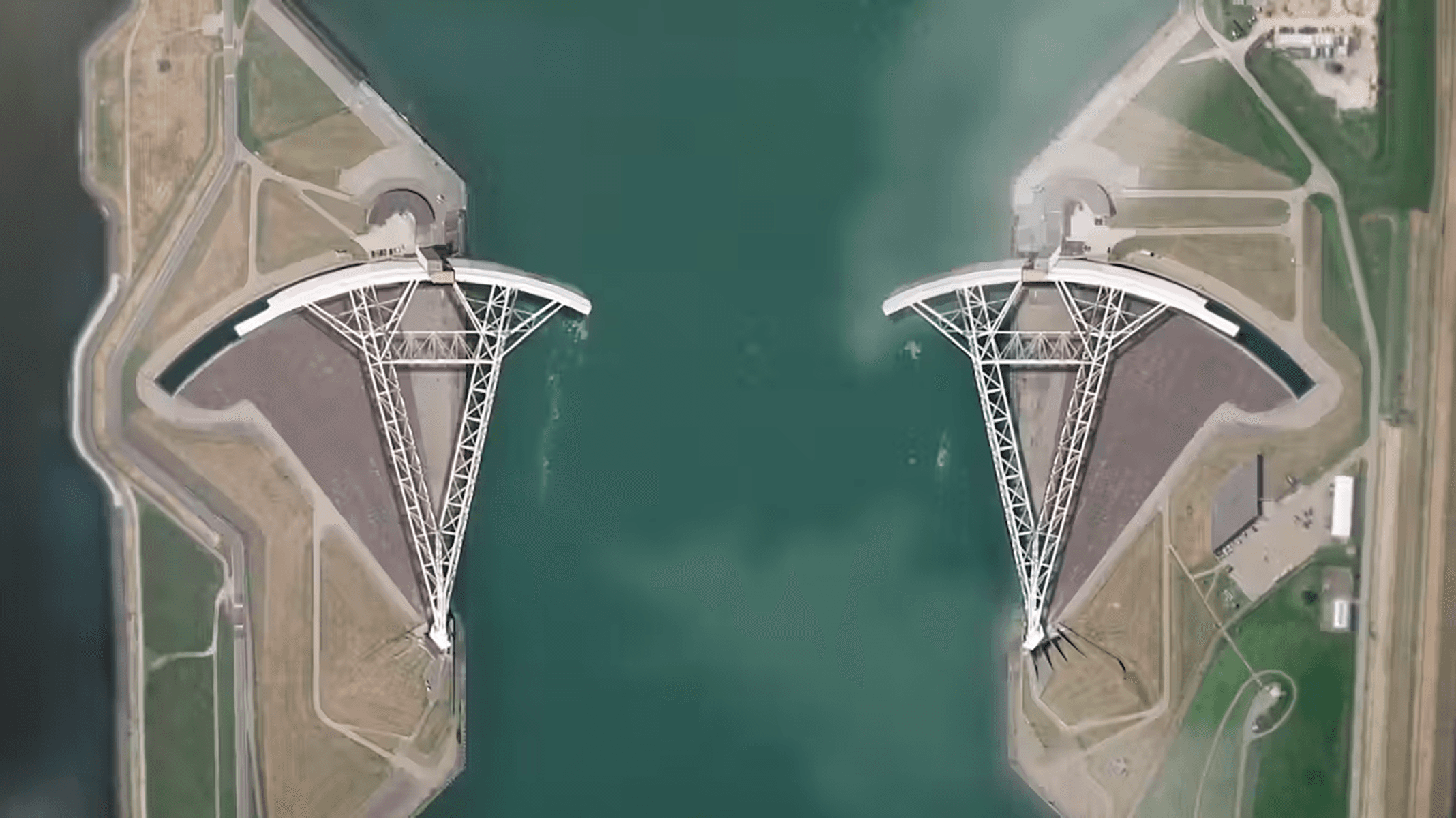
Rotterdam, The Netherlands
The world’s largest movable flood barrier remains. It was built in the 1990s. It spans a massive 360-metre canal. That canal is vitally important to the city’s imports.
About 4/5ths of Rotterdam is below the sea level. The Maeslant Barrier is a massive and expensive undertaking. Yet, when there’s a risk, they can close the doors, so to speak, and wait it out.
 ### Boston, US
Boston is a major US city right on the water. Each year, sea levels rise, and it is harder for Bostonians to remain where they are. Boston is one of the most vulnerable American cities to flooding, thanks to the rising sea levels.
They had a plan. They expected to spend billions of dollars to build a wall. That process would take too long. It also would not have lasted.
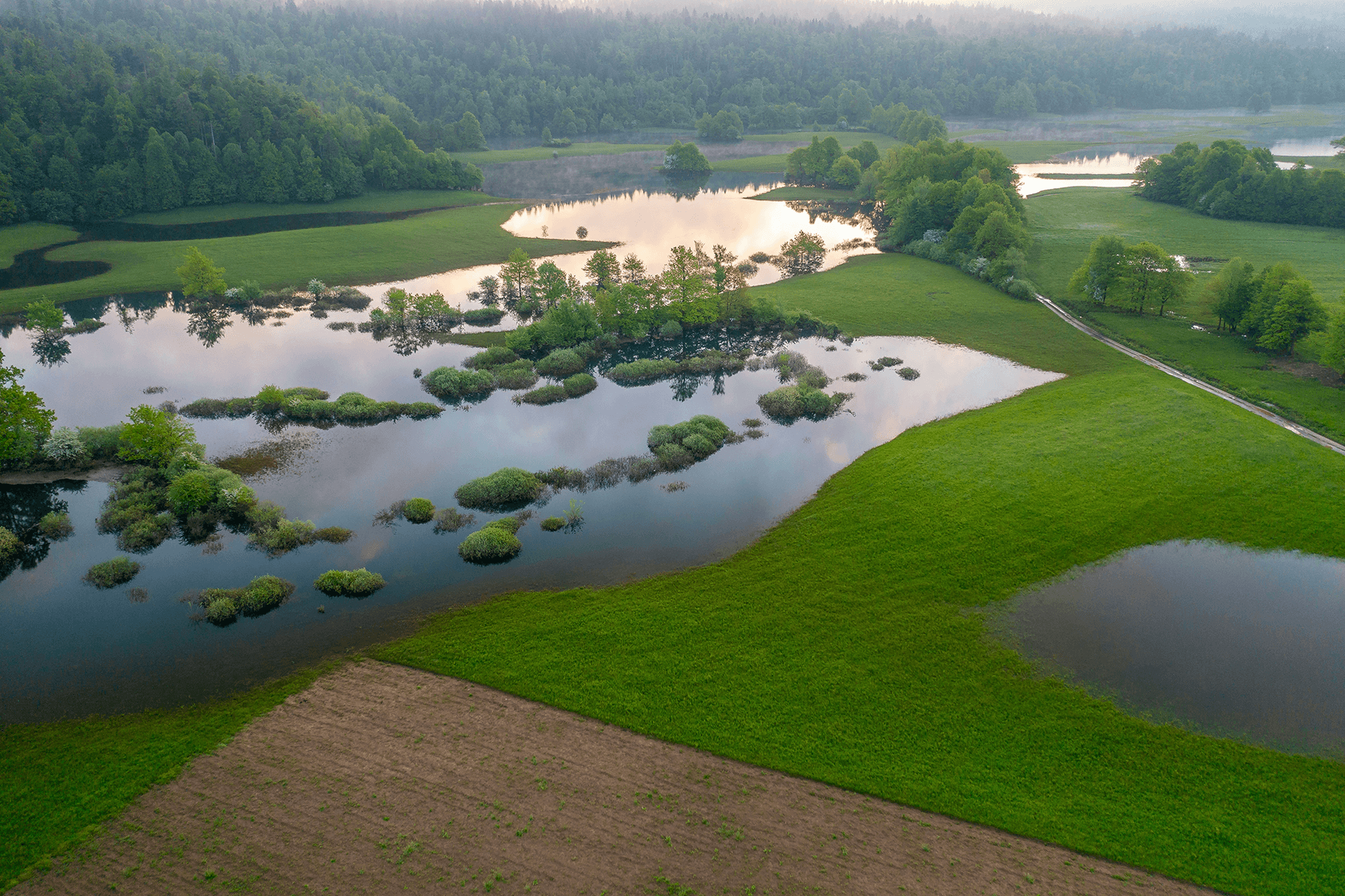
Instead, the city took a new direction. It’s going to welcome the water in. To be clear, homes are not going to be subjected to flooding. Instead of barricades, the city uses beaches, parks, trails, and other open spaces that are elevated to block floods.
Bangkok, Thailand
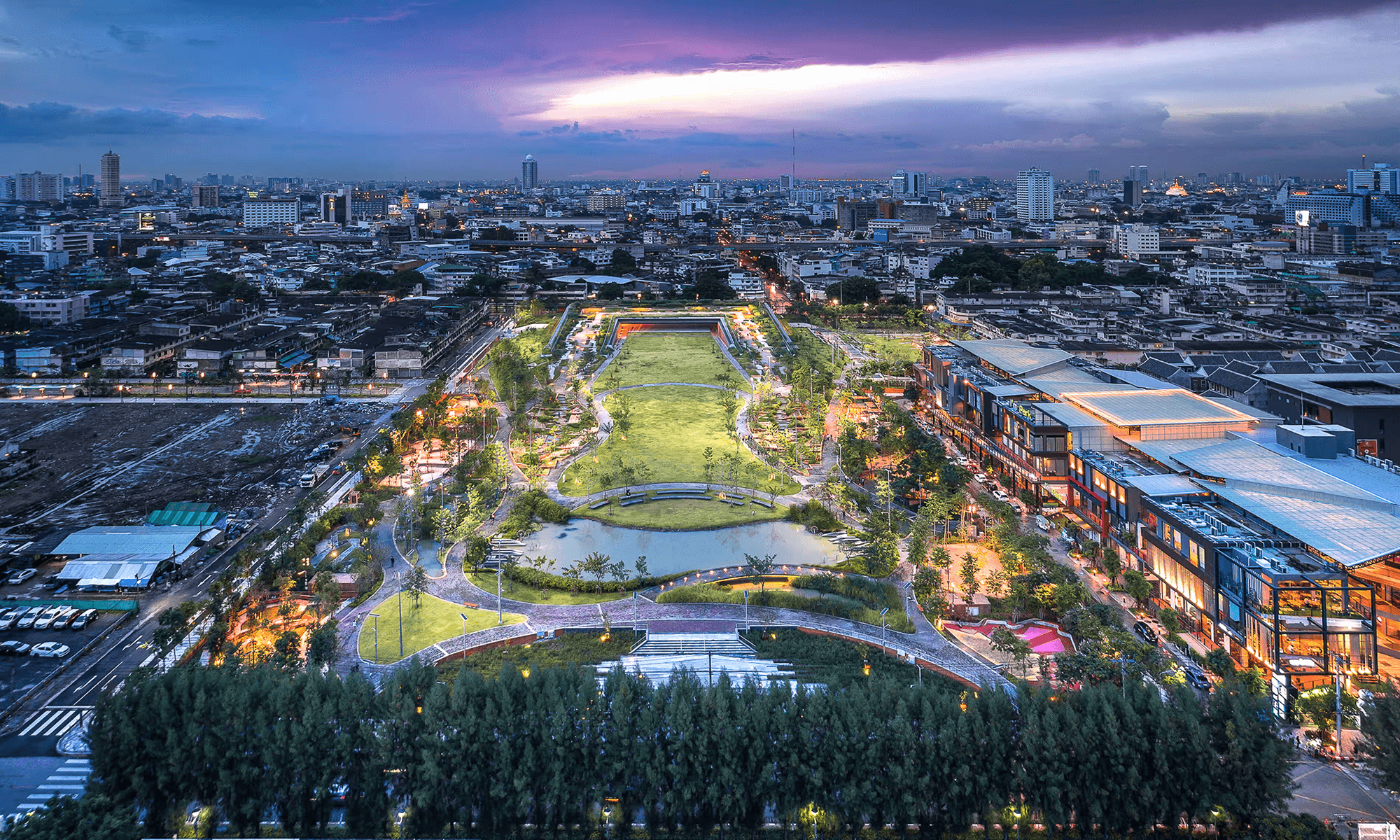
Often referred to as the most vulnerable bigger city in the world for flooding due to sea levels, Bangkok has a different mitigation method. Its focus is on building an 11-acre oasis without much green space.
The fascinating part is what’s underneath. There are massive storage tanks capable of holding millions of gallons of water. This aims to reduce the impact of flooding. When the flooding subsides, they release the water.
 ## What Role Does Energy Efficiency Play in Resilient Design?
Linking energy efficiency and resilience is an option. This is a very good plan.
There are numerous building technologies and materials that allow for structures to enhance resilience while still keeping the space environmentally friendly. Consider a few steps:
-
New technology aims to improve the construction of materials. This helps them last longer.
-
An improved building envelope is critical. This includes energy-efficient wall insulation. It means green windows.
-
Onsite generation and energy storage systems are also a nice upgrade. These are critical in situations of an emergency.
The inclusion of strong resilience measures in the energy code helps ensure new construction and renovation projects put resilience at the head of the to-do list.
How does improving energy efficiency contribute to building resilience?
Energy efficiency helps by increasing the passive survivability of buildings. In other words, buildings will maintain habitable conditions even when there’s heat or cooling loss.
For example, the inclusion of a tighter building envelope enables improved energy efficiency. This also helps maintain a safe condition for those using that space. If a heatwave or cold snap occurs, that warm blanket of insulation makes all the difference.
What are some of the most effective energy-efficient retrofits for existing buildings?
So, what’s the trick? How do you build a building that’s good for the planet and resilient? Building retrofitting is a good place to start.
-
Install better insulation throughout the space.
-
Incorporate energy-efficient glazing.
-
Use heat pumps over other types of energy-demanding systems.
-
Create more efficient lighting that keeps electricity levels lower.
-
Improved efficient water heating, including upgraded thermostats.
The types of retrofitting or new construction features are a good start. However, for true success, it’s critical to look at the local itself.
What works in the deserts of Dubai may not work so well in England. Architects must, beyond anything else, focus on the challenges within their local community.
 ### How can architects design new buildings to maximise energy efficiency in different climates?
Energy efficient building design.
Nope, it’s not another catchphrase like others. It’s the reality of green living and resilience. With the construction of a brand new building comes huge opportunities. It’s possible for architects to incorporate dozens of strategies that could mitigate some risks.
Let’s explore some of them:
-
Green roofs. Put some dirt on the roof, add some plants, and you have a natural way to keep the interior of the building dry and cooler. Green roofs work as an insulator. That means less energy is needed to cool down or heat spaces.
-
Utilising improved insulation. Go for the higher rating. It’s worth it. This type of insulation aids in reducing energy loss throughout harsh periods.
-
Use phase change materials designed from paraffin and salts to improve energy efficiency and thermal comfort. Put into ceilings, these panels absorb heat.
These are just a few of the many opportunities that exist. In ground-up projects, you really have a lot of flexibility to create exactly what you want and need.
How Are Architects Addressing the Challenges of Extreme Weather?
As an architect, do you feel the weight of the world on your shoulders? Tuck away everything you learned in school. Instead, look for new ways to build that can handle extreme weather and still be good for the planet.
In reality, architectural design faces a wide range of challenges. In the area of extreme weather events, buildings must be able to survive. Reinforced building structures tend to be the route to take. Elevating those foundations helps mitigate the risks associated with flooding. The use of more advanced stormwater drainage systems can also help.
 ### What architectural solutions are being used to withstand extreme weather events like hurricanes, heatwaves, and wildfires
Designing for climate change means really focusing on the risks within a local community and finding a way to address them meaningfully. Let’s consider a few examples:
Hurricane-resistant structures: You don’t have to give up your coastal oasis. Instead, consider the building of structures that can handle high winds. Look for components that are not likely to be damaged if debris strikes the structure. Impact-resistant glass is one solution. Another is the use of reinforced roofs. There are also better quality materials available that can greatly enhance the building’s ability to maintain even the toughest of situations.
Heatwaves: As the temperatures rise, it’s critical to consider passive strategies. This includes the use of stack ventilation, cross ventilation, and shading. The use of glazing can also help. It helps support natural airflow through a space. It may even help reduce humidity levels. When done well, these spaces can feel comfortable and still do not have to flip on the air conditioning.
Wildfires: Another incredible outcome in the extreme weather focus is this. Wildfires. Fire-resistant building materials can help. This includes siding, roofing, and tempered glass windows. Creating a defensible space around the exterior of the buildings can also help protect them from fires.
How can design mitigate the impact of these events on both buildings and the people who use them?
Do you have on your superhero cape yet? Architects have the ability to create spaces that people can use the way they want, but that can also withstand extreme weather conditions.
Sustainable design optimises building performance. From there, it minimises negative impacts on building occupants. Green construction strategies, along with the use of smart city planning and resource management, enable organisations to create impressive structures.
What Are the Economic and Social Impacts of Resilient Design?
It all comes down to the money, right?
No matter how big, bold, and beautiful your design is, it has to come in at budget. The same applies to building for resilient design. You absolutely need to be able to invest in strategies and methods that are economically and socially positive moves.
When there’s resilience in the built environment within a community, that provides natural economic resilience to all organisations operating out of that space. It works as a buffer from the worst economic outcomes when some type of disaster occurs. As with all projects, it is essential for architects to analyse risk, develop solutions, and implement them.
Consider the direct economic benefits. First, there’s the reduction in insurance claims. When a building is built to last and handle intense weather, fewer claims must be made to shore up those properties. That saves the organisation’s money.
Consider what happens when resilience isn’t the focus. In numerous cities around the world, street infrastructure wasn’t built to last. Over 100 years ago, in some cases, these structures were made just to work. Now, there’s an urgent need for repair and replacement of failing aging and deteriorating infrastructure. It’s directly impacted some of the most socio-economic challenged areas.
How does the cost of resilient design compare to traditional design?
Costs associated with resilient design will range. However, it tends to be 1 to 3% of the total construction cost higher. For example, to build an earthquake-resilient building, expect to pay between 1 and 3% of the total construction costs to align with resilient design.
Sure, it costs more upfront to design and install resilient structures. Of course, it is not the cheap material you’re using. Yet, building to minimise damage after a hurricane or fire is always going to be less expensive than having to start over without coverage.
What are the long-term economic benefits of investing in resilient architecture?
Think long-term here. It’s super cool to see how impactful resilient design can be when you think about it on a much grander scale.
-
Resilient infrastructure boosts productivity because it lowers disruptions.
-
It supports better business continuity in every industry.
-
It drives economic growth and innovation
-
It may help to strengthen supply chains.
-
There’s less downtime in projects.
-
There’s a faster to-completion than expected
Nearly every aspect of the local economy is bolstered by green living and resilient design.
How does resilient design contribute to social equity, particularly in vulnerable communities?
Within socio-economic conditions, the thought of building for resilience makes sense. When a resilient design is implemented, things change.
For example, by providing access to low-carbon and resilient energy within your community, it’s possible to reduce the risk of not having what is needed. Another important strategy will include enhancing hard, soft, and natural infrastructure. Ultimately, to protect those who live in environments that are more challenging than others, government policies may need to be implemented.
What Role Do Policies and Regulations Play in Promoting Resilient Design?
Designing for architectural resilience requires carefully mandated “rules.” Most cities already have building regulations in place. These regulations aim to minimise the risk to people when adverse weather strikes.
Modifying those policies and regulations to better align with resilience doesn’t seem hard to do. Then, why hasn’t it happened?
Costs, confusion, and complexity are three words you could use to describe the process.
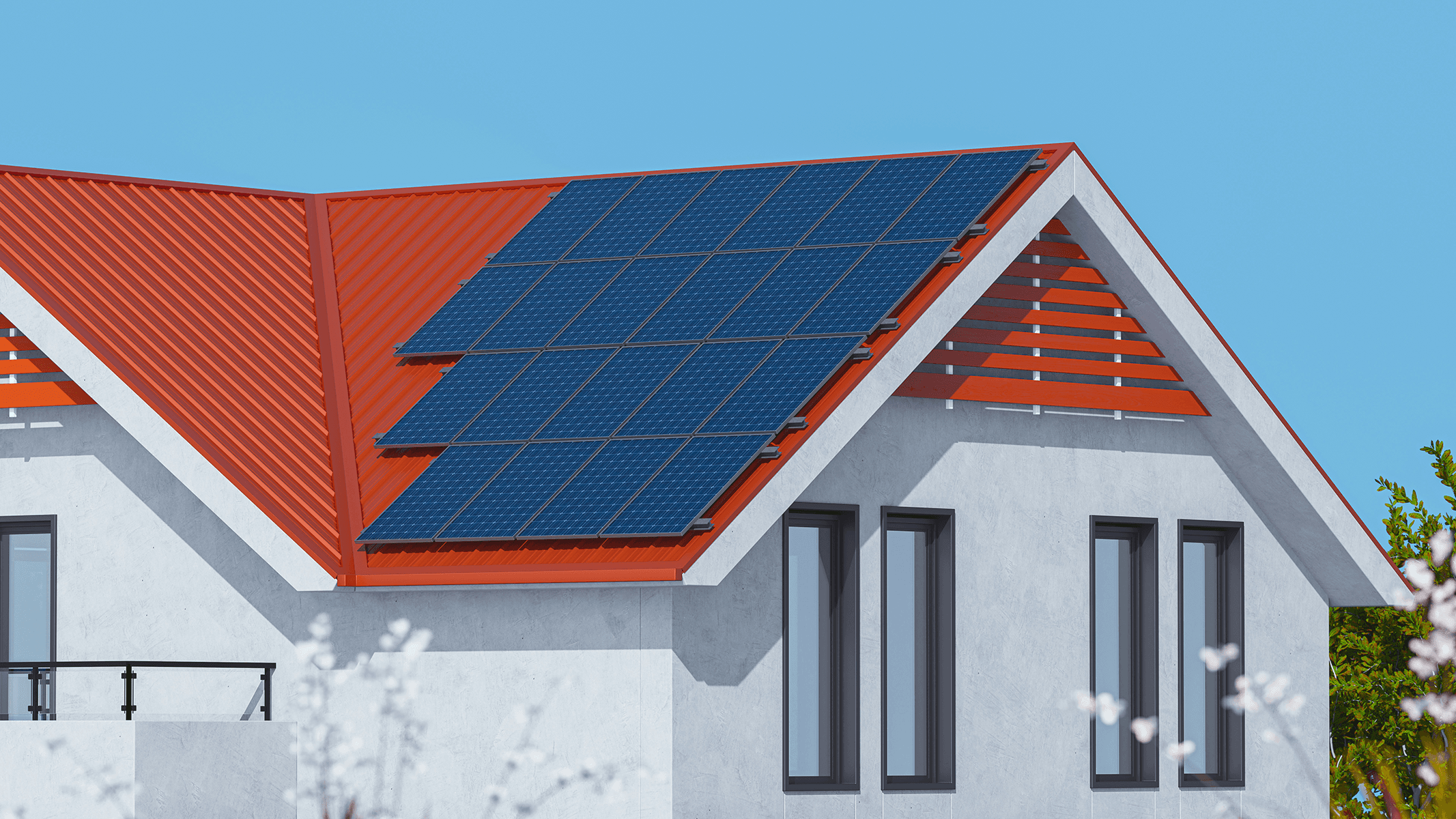
However, building regulations can help to reduce potential damage and losses for people. There is a very clear need for improved safety and resilience. Not every city will mandate green roofs or require solar power on homes. Yet, they can encourage and support initiatives to transform resilient infrastructure into environmentally friendly outcomes.
 ### How are governments and local authorities encouraging or mandating resilient design practices?
Local governments who wish to create improved quality of life must pave the way for resilient design. Local governments play a critical role in ensuring the success of redevelopment projects.
They can do this in a number of ways:
-
Strategic allocation of resources: Provide general funds at the community level. Redevelop grants to allow for more specific resilience needs. Collaborate with banks and governments to help support rebuilding.
-
Market-responsible strategies: Educate local leaders on the importance of adapting to changing conditions. Encourage more flexible funding.
-
Mitigate internal conflicts: This is a common challenge, especially when not everyone understands the value and importance of a community redevelopment system. Create community committees.
-
Champion redevelopment: Support and advocate for redevelopment that’s resilient. Leadership needs to take a role in encouraging it.
How can architects advocate for stronger policies and regulations to support resilient design?
Each community creates its own standards to follow. Around the globe, it is more important than ever that each location focus heavily on its areas of weakness. Yet, architects have some power in their abilities (superhero, much?)
The most impactful way this can be done is to advocate for the adoption of model building codes. In some situations, architects must create the visuals and demonstrate the options clearly. From a high-level perspective, many government officials do not want to get “too into it” with their residents. Yet, it is critical that this does happen now. Architects can work through building departments, local government offices, and even on a national level down to the community:
-
The struggles that require careful change to build resilience
-
The critical outcome of not doing anything
-
The ease with which new strategies and methods are already available
-
The cost-effectiveness or reduced wear and tear
-
The improved quality of life for everyone (including the planet itself)
It’s not easy in any way. It is certainly not going to happen overnight. Yet, architects can influence the decisions made by policymakers within communities. Step by step, it’s possible to create a better outcome.

What Are the Challenges and Barriers to Implementing Resilient Design?
Everything so far sounds so good, right? It’s good for the environment. You can still design with flare and character. You’ll help people and governments save money by not having to rebuild after every major weather event. So, what’s the problem?
Well, there are a few key concerns:
-
Lack of knowledge: Not all designers and builders have access to the most up-to-date information. The bottom line is that people are not going to invest in what they don’t fully understand.
-
Cost: It is a thing. Implementing residential building design will cost more out of the gate. It pays for itself quickly.
-
Building codes and regulations: If these are outdated, they limit the overall ability of the city or community to redefine the rules. Building codes and regulations must be shored up. They often need to build in some strategies to encourage contractors to innovate.
-
Lack of incentives: Again, people will do what they understand and what they know they can do. If there are incentives in place, though, they may be more willing to pay attention.
What obstacles do architects face when trying to incorporate resilient design principles?
Education of every level of organisations, companies, stakeholders, and governments themselves. Without any type of oversight, support, and compliance, architects cannot move projects forward. Often, it’s necessary to have a conversation and develop a better route forward.
How can these challenges be overcome through innovation, collaboration, or changes in policy?
-
Advocate for policy change. On a local level, work to present alternatives to strategies that cannot meet resilient objectives.
-
Consistently maintain and observe the changing dynamics in the industry. For example, as innovative technology and resources come on board, it may be time to take a closer look at how those components could play a role in your community.
-
Collaborate with governments, building organisations and associations in the field. Architects can attend converses and seminars where they learn valuable information and get new ideas. They can then bring these back to their work.
Core to success includes several key factors:
-
Increase public awareness of what is happening and what resilience really means. Make it clear what resilient building design can do for the public.
-
Collaborate between stakeholders. This includes builders, architects, engineers, and policymakers.
-
Provide incentives to encourage transformation. Tax breaks work well. Subsidies could also be a factor. Builders and developers need to invest in new skills and materials. That takes some time. Offering an incentive could encourage the move.
-
Focus on innovation. The research is not done yet. The fact is that new resilient building materials and strategies are growing at an impressive rate.
It certainly takes a lot of work to make people want to change. Even if you can see clearly what the advantages are, they may not. That’s why it is so important to build a team to tackle this project more comprehensively.
What Does the Future Hold for Resilient Architecture?
Decades ago, architects were responsible for bringing the space age into the world. They have influenced countless architectural trends and features. Resilience is the next level and perhaps even the most important step towards a better environment.
What does the future hold, then?
While technology will continue to increase, policymakers will need to be on board. That could be the most defining element of the architectural industry moving forward. New standards and codes will also play a role in what can be done and what should be done. New systems are coming online. For example, pre-tensioned carbon fibre-reinforced polymer is working well to replace heavy, expensive, and environmentally taxing steel prestressing stands.
How is the field of resilient design evolving in response to new climate data and emerging technologies?
Architects are infusing more climate-friendly and resilience into every project they create. This includes:
-
Technologies that provide a better understanding of climate conditions
-
Design methods that enable the use of climate-friendly components can also be essential. Green infrastructure, including green roofs and walls, can play a role in the overall success of projects, especially as climate change continues to advance.
Note that engagement is key for the architect and designer. These professionals are those who will go out to the community to determine the local needs and build them into a resilient infrastructure.
What are the next big trends or innovations in resilient architecture?
There’s plenty to keep watching. Here’s our list of the big trends in the industry:
-
Artificial intelligence and design technology will move into the industry faster. This could speed up the production process.
-
Optimisation of building performance through the use of carefully placed sensors and IoT technologies.
-
Biophilic design, which incorporates more natural elements and features, is also turning heads today.
-
Smart buildings will create energy-efficient solutions across all areas of the world.
How can architects and designers stay ahead of these changes to continue creating resilient structures?
We’ve mentioned it before. Hands down, architects and designers must be the superheroes in the resilience movement. It is up to you to stay up to date on the specific changes happening. Consider a few strategies:
-
Become a thought leader in this space. Establish yourself as an architect committed to the innovations in the industry. Communicate your mission. Share your thoughts. Good and bad.
-
Maintain constant research and benchmarking. There’s always going to be some trial and error in this process. That’s expected. But researching to find your own solutions is an incredible opportunity to stay ahead.
-
Look beyond the trends. Consider the science behind any type of innovative solution you are thinking about applying.
Remaining up to date and focused on the future architectural design demands that mesh resilience and climate mitigation together isn’t easy. Yet, the good news is most organisations will find it to be an exceptionally valuable move. As you work to advance your skills and build your practice, consider how resilience matters in your next project. What could you do that’s a bit better? What is hampering these goals?
Exploring the importance of resilience is just one step. It is critical for organisations to work consistently towards learning, growing, thinking outside of the box, and being passionate about the work they are doing. What is your role in this process? To find out, seek out even more information.