Commercial Interior Design in 2026: A Guide for Architects & Designers
2025-11-14 · arkiste-editorial
Commercial interiors act like time capsules. Every ceiling tile, every awkwardly placed plug socket, every “neutral beige” decision contains a clue about what people believed at the moment they built it. The world keeps changing faster, and these spaces now shift at the pace of a TikTok trend. Architects and designers are steering through a landscape shaped by hybrid work, environmental responsibility, and a new public expectation:* spaces should feel good, work well, and actually make sense.*
This guide gives you a sharp, entertaining, behind-the-scenes look at the forces shaping commercial design in 2026. It blends technical depth with the kind of storytelling that makes architects nod along and non-architects say, “Ohhhh, so that’s why offices always feel a bit weird.”
The Gensler UK Workplace Survey shows a direct connection between space quality and business performance. Good design doesn’t act as decoration. It acts as a strategy. Your decisions influence productivity, company culture, and whether people actually want to return to the office or stay glued to their kitchen table.
Let’s walk through how we got here, because the backstory explains everything.
**The Evolution of Commercial Interiors
**
 Commercial interiors evolve the same way music genres evolve. One decade loves hardcore structure, the next loves freedom, the next loves feelings, and suddenly we’re all listening to lo-fi beats because life got stressful. Workspaces follow a similar rhythm.
Every refurbishment reveals a graveyard of past beliefs. You open a wall and discover several decades arguing with each other. Designers meet these ghosts daily.
From Cubicle Farms to Open-Plan Chaos
The post-war era created an obsession with efficiency. Offices mirrored factories. People sat in neat rows under buzzing lights like highly caffeinated worker bees. Companies admired this order.
Herman Miller released Action Office II, a modular system with panels and privacy. It aimed to give workers focus and dignity. Companies adopted it with enthusiasm and built cubicle farms stretching as far as the corporate eye could see.
Then designers watched the pendulum swing.
By the late 90s, leaders wanted collaboration, “synergy,” and creative friction. Down came the walls. Open-plan spaces spread like wildfire. Everyone shared air, noise, gossip, and the sound of someone chewing crisps three desks away.
The result created a memorable design era: the spaces looked modern and felt exhausting.
When the Office Learned How to Feel Like a Hotel
Design inspiration drifted away from corporate manuals and toward boutique hotels, cosy cafés, and co-working lounges. Workers gravitated toward soft seating, warm lighting, and places that didn’t feel like spreadsheets.
Co-working spaces rode this wave and amplified it. Suddenly, the office acted like a lifestyle brand. You didn’t just show up; you joined. You got events, kombucha taps, neon signs, playlists, and a design language that said, “You’re cool, you belong here, please stay forever.”
This shift changed client expectations permanently. A traditional office felt old-fashioned. A workplace needed personality, hospitality cues, and a sense of welcome.
How the Pandemic Hit “Fast-Forward” on Everything
Then came 2020.
Remote work exploded. People discovered the joy of working near pets, natural light, and comfortable trousers. Companies faced a new reality: the office needed a purpose strong enough to compete with home.
Wellness moved from a trend article to a strategic priority. Leaders started asking a very specific question:
“What makes people choose the office when the office is optional?”
This question sits at the core of every commercial project today. Designers shape the answer. Lighting, acoustics, materials, layouts — everything contributes to whether a space energises people or drains them.
Commercial design in 2026 rewards those who create environments that support focus, comfort, connection, and culture. It challenges designers to think like strategists, storytellers, hosts, and behavioural scientists.
**Major Interior Design Trends in 2026 and Beyond
**
 The pandemic didn’t simply nudge interior design forward. It shoved the entire industry into a new era like a bouncer escorting everyone into the VIP section. Clients now walk into meetings with a completely different wishlist. They want spaces that act sustainably, behave intelligently, support health, include everyone, and still look like the kind of place someone would proudly post on Instagram.
Designers in 2026 hold a new kind of power. Clients depend on you to decode culture, translate tech, stretch sustainability budgets, and predict what people actually want to experience inside four walls. You aren’t picking cushions — you’re steering the ship.
Here are the forces shaping the year, explained like you’re having coffee with a fellow designer who has had exactly three hours of sleep and a wicked sense of humour.
Sustainability & Circular Design
Sustainability used to behave like the “vegetable side dish” of a project. Important, but ignored until the end. Not anymore. Sustainability now sits in the CEO’s metrics dashboard right next to revenue, retention, and complaints about the coffee machine.
Spaces Built With Future Archaeologists in Mind
Circular design enters every conversation. The goal: build things so future designers can take them apart without tears or power tools that sound like jet engines. Design for Disassembly turns screws into heroes. Adhesives become suspicious characters. Fit-outs transform into premium recycling bins disguised as beautiful interiors.
Every piece of joinery carries a quiet question: “Who will unbolt me in ten years, and will they bless my name or curse it?”
Certifications Become Your Second Language
Clients talk about BREEAM, WELL, and embodied carbon like they’re ordering drinks. You respond fluently. Embodied carbon becomes a main character. Lifecycle impact becomes a cliffhanger. Sustainability becomes strategy.
Biophilia 2.0
Biophilia enters its graduate program in 2026. Plants still matter, but they no longer carry the whole show. The new vision treats the interior environment like a living system designed to keep humans functioning at peak quality.
Light and Air Become Mood Designers
Human-centric lighting behaves like a silent therapist for circadian rhythms. Daylight gets choreographed the way a movie director orchestrates a dramatic reveal. Airflow becomes an invisible interior designer that supports focus and calm.
Natural Materials Whisper to the Nervous System
Timber, wool, and cork carry acoustic superpowers. They take noise, soften it, and give people a mental spa moment without anyone noticing. NRC numbers start sounding strangely poetic. Designers discuss oak the way sommeliers discuss wine.
Technology-Driven Spaces
Technology in 2025 acts like a polite but brilliant roommate. It quietly handles everything while pretending it’s not even there.
Infrastructure Becomes Intelligent
Power-over-Ethernet lighting systems turn ceilings into smart grids. Fixtures share data. Networks adjust brightness. The entire space behaves like it’s thinking a little. IT teams suddenly become your new best friends.
Spaces That Respond Without Showing Off
Soundscapes evolve into curated audio atmospheres generated by algorithms that know when people need to focus. Retail brings out AR tools that make shoppers gasp and say, “Oh wow, that sofa actually works in my living room.”
Every space gains a little intuition.
Inclusive & Accessible Design
Inclusivity steps into the spotlight with real presence. The mission is clear: build environments that support every type of body, brain, and background.
Design That Understands Human Brains Like a Fan Club
Neuro-inclusive design redefines space planning. Designers craft ecosystems with “caves” for deep-focus introverts, “campsites” for collaborators, and “watering holes” for the socially fearless. Each zone carries its own sensory vibe — lighting, acoustics, and visual stimulation tuned like a playlist.
A Space That Respects Every Generation
Five generations share offices now. Each generation holds different skills, comfort levels, and ergonomic needs. Designers create flexible environments that work for everyone — from the Gen Z who types like a caffeinated hummingbird to the Baby Boomer who appreciates a physical button over a digital interface.
The Experience Economy
Every physical space in 2026 competes with the dopamine hit of a smartphone. Standing still is not an option. People walk into a space expecting energy, emotion, and at least one moment that feels like a small adventure.
Immersion as the New Design Currency
Designers act like storytellers. They build worlds. Retail becomes theatre. Gentle Monster stores feel like portals to a parallel universe. Lego stores transform into play labs that beam up children and adults with equal force.
Each detail contributes to a narrative someone can walk through.
The Office Transforms Into a “Why Would I Stay Home?” Destination
The modern workplace wins through culture and community. Designers build layouts that spark connection, support teamwork, and give people a reason to get dressed and show up. The office becomes the living, breathing, caffeinated core of an organisation.
Applying 2026 Interior Design Trends by Sector
 The big ideas of 2026 only matter if you know how to deploy them in the field. Every sector speaks its own dialect. Hospitality whispers in mood lighting. Retail screams with spectacle. Workplaces debate policies until someone mentions snacks.
A great designer reads these environments like an anthropologist and then designs accordingly.
The big ideas of 2026 only matter if you know how to deploy them in the field. Every sector speaks its own dialect. Hospitality whispers in mood lighting. Retail screams with spectacle. Workplaces debate policies until someone mentions snacks.
A great designer reads these environments like an anthropologist and then designs accordingly.
This is where things get fun.
Workplace Design — The Office as a Cultural Clubhouse
Hybrid work established itself like a guest who arrived during lockdown and never left. Most employees now float between kitchen tables, trains, coffee shops, and offices like urban nomads carrying emotional support water bottles.
The modern HQ faces a single mission: feel more appealing than someone’s home office setup, which currently includes a pet, a window, snacks, and no commuting.
So the workplace evolves into a clubhouse — a place where people show up for mentorship, collaboration, and the subtle magic of being around other humans who also forgot how to small talk for two years.
Engineering Spaces Where Ears Can Relax
Acoustics become the backbone of workplace wellness. Designers craft sound zones like DJs curating a setlist. Some areas hum with social energy. Others whisper. BS 8233:2014 becomes your North Star for sound insulation. Open-plan chaos gets replaced with nuanced sonic choreography.
Lighting That Syncs With Human Biology
Dynamic lighting replaces one-size-fits-all brightness. HCL systems shift tone and intensity throughout the day. You create environments that support alertness in the morning, stamina in the afternoon, and calm in the late-day slump when people quietly question their life choices.
Designing for Bodies That Need Movement
Ergonomics graduates from “We bought new chairs” to “We built a mini city of movement options.” Standing tables, perch seats, soft lounges, nooks, and nomadic perches invite people to change posture like it’s a sport.
Building a Flexible Kit of Parts
Single-purpose rooms fade away. The ABW approach steps forward. Designers create spaces that flip roles in seconds. A workshop room becomes an event area. A huddle zone becomes a café corner. Vitra and USM Haller systems become the Swiss Army knives of the modern office.
Constructing a Spatial Ecosystem
Floor plans resemble small neighbourhoods. Video call pods sit next to huddle rooms. Lounges bleed into plaza-style gathering spaces. Every zone has a purpose, and every purpose supports the new rhythm of hybrid collaboration.
Hospitality & Restaurants — Crafting Moments People Remember (and Post)
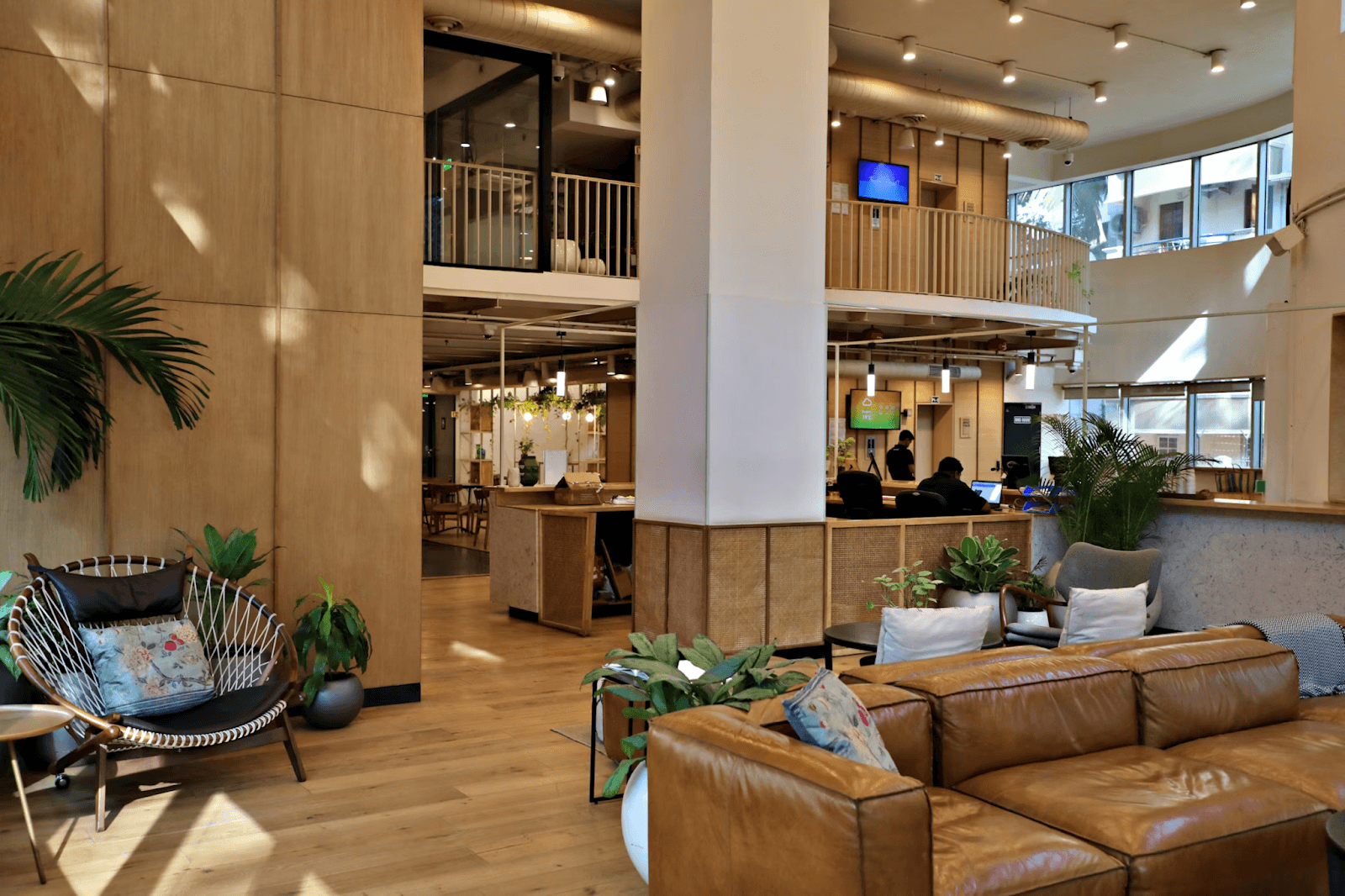 Hospitality always understood the assignment: deliver an experience.
But in 2026, the guest isn’t the only audience. Their followers join the party too.
Hospitality always understood the assignment: deliver an experience.
But in 2026, the guest isn’t the only audience. Their followers join the party too.
Restaurants and hotels now perform on camera. Every corner carries the potential for a photo, a story, a reel, or a memory that lasts longer than the dessert. Designers become choreographers of delight.
Balancing the “Wow” With the Welcome
The industry’s favourite tightrope act goes like this: Create a showstopper without turning the place into a theme park.
Designers set a timeless base layer — stone, timber, metal — and then sprinkle in high-impact vignettes. Think sculptural installations, sculpted bars, or bathroom wallpapers that make guests gasp loud enough for their table to hear.
Dancing With Historic Buildings
The UK hands designers a delightful challenge: “Please give this Grade II listed building a modern social-media moment while honouring its 200-year-old soul. Good luck.”
Great designers treat heritage like a duet partner, blending old and new with charm instead of tension.
Designing a Sequence of Micro-Experiences
Guests experience hospitality in fragments: lighting shifts, ambient sound, cosy corners, theatrical entrances, surprising textures. You become a director of atmosphere.
Deploying the Science of Atmospheric Lighting
Lighting sets the emotional temperature. Intimate tables glow with warm tones. Bars shine brighter to welcome energy. Food pops under high-CRI lights. The entire restaurant becomes a visual rhythm that guides the guest through their evening.
Retail & Flagship Stores — The Brand as a Destination
Retail transformed faster than a pop star rebranding for a new album. The flagship store no longer behaves like a place where transactions happen. It behaves like a three-dimensional advertisement, a cultural stage, a brand mood board you can walk through.
Telling Stories Instead of Arranging Shelves
Retail designers now operate like brand world-builders. Gentle Monster’s London flagship feels like someone let a surrealist director loose with a construction budget. The goal: pull people into a story they can feel in their bones.
Tracking the Return on Experience
Retail KPIs evolve. Sales-per-square-foot takes a seat while ROX metrics step up. Dwell time becomes a bragging right. Repeat visits become gold. Social content becomes proof that your design invited people into an experience worth sharing.
Becoming a Master of Sensory-Scaping
Retail immersion works best when it engages the senses. Directional audio, curated scent systems, kinetic lighting, interactive tech — every layer builds emotional impact. Designers create environments that influence mood with precision.
Pop-Ups Become Blockbuster Events
Prime real estate costs continue to rise, and pop-ups respond with creativity. These temporary builds evolve into rapid-fire brand events. Modular retail kits offer reusable components that travel, assemble, and come apart with speed and elegance.
Circularity plays a starring role. The entire pop-up can live many lives, gathering stories as it moves.
Healthcare & Education — Design That Directly Improves Lives
These sectors once sat far from the commercial spotlight. Now they step forward with confidence. Hospitals, clinics, and universities want the same thoughtful design principles seen in hotels and workplaces — because outcomes depend on it.
Bringing Commercial Intelligence Into New Arenas
Waiting rooms borrow from hospitality to reduce stress. University lounges borrow from workplace design to improve collaboration. Every crossover creates better experiences for people who need comfort, care, and clarity.
Speaking the Language of Evidence-Based Design
Healthcare leaders love data. You meet them on their terms. EBD allows you to justify every decision with research:
- Views of nature support recovery.
- Noise control reduces stress.
- Good lighting improves patient orientation.
Design becomes part of the healing process.
Designing the Campus as a Talent Magnet
Universities treat their spaces like recruitment tools. Students choose based on vibe as much as academics. Designers create ecosystems of study pods, social zones, collaborative spaces, and quiet havens. The design strengthens retention and boosts satisfaction scores.
A well-designed campus becomes its own billboard.
Materials, Furniture & Finishes — Where Your Vision Gets Real
Every project eventually reaches the moment where ideas meet reality. This is the moment where budgets sigh, contractors twitch, and designers unleash their superpowers. Materials, furniture, and finishes act as your storytelling tools, and in 2026, clients expect you to understand these tools with the precision of a scientist and the instincts of a psychologist.
Designers today wear three hats at once: **material expert, supply chain detective, and emotional engineer. ** This section is where your decisions leave fingerprints on the experience.
Materials for a Healthier Planet
Sustainability now sits at the front of the client conversation like an over-caffeinated spokesperson. People want clean materials, transparent supply chains, and the moral satisfaction of knowing their new reception desk is not destroying the planet.
Your role is to introduce materials that feel innovative, responsible, and a bit futuristic — the kind of materials that make clients say, “Wait, this is made of what?”
Carbon-Sequestering & Bio-Based Materials Step Into the Spotlight
Hempcrete gains momentum because it locks carbon inside its structure like a climate-positive vault. Mycelium composites grow quietly in the background like a sci-fi character, ready to step in with impressive acoustic and fire-retardant qualities.
High-end cork flooring makes a comeback with its warm tactility and sustainability credentials, while recycled plastic composites transform waste into flooring, cladding, and furniture strong enough to impress even the grumpiest contractor.
Your material palette starts to look like the guest list at an architectural innovation conference.
Bespoke vs. Modular — The Eternal Debate
This decision feels like choosing between a tailored couture dress and a perfectly cut ready-to-wear suit. Both have value. The magic lies in knowing when each one belongs on the project.
Bespoke = Hero Moments
Custom joinery, sculptural reception desks, crafted feature walls — these are the elements that make clients send you voice notes filled with excitement. Bespoke pieces communicate identity, confidence, and care. They say, “This brand showed up.”
Modular = Intelligent Adaptability
Modular furniture systems act like the workhorses of commercial design. They flex, adapt, reconfigure, and survive shifting demands. From a TCO perspective, modular systems make future changes cheap, fast, and painless. You’re not just designing for today — you’re designing for the client’s eventual rebrand, expansion, or leadership change.
And yes, you also save future designers from cursing your name.
Colour & Texture — The Emotional Layer
Colour and texture act like the soundtrack to a space. They influence emotions in subtle but powerful ways. The right palette improves focus. The right texture makes people want to touch the walls (in a socially acceptable way).
Speaking in Professional Colour Dialects
Designers drop NCS or RAL codes into conversations like sommeliers describing a vintage wine. Instead of saying “calming blue,” you pull out “NCS S 2020-B” and watch your client nod with newfound respect.
Texture as a Sensory Anchor
The world gets more digital every day, so the physical environment becomes a rare retreat for the senses. The rough grain of reclaimed timber. The smooth chill of stone under the hand. The inviting softness of bouclé fabric.
Each choice builds emotional memory. People may forget your drawings, but they remember how the materials made them feel.
**Commercial Interior Design Challenges & Opportunities
**
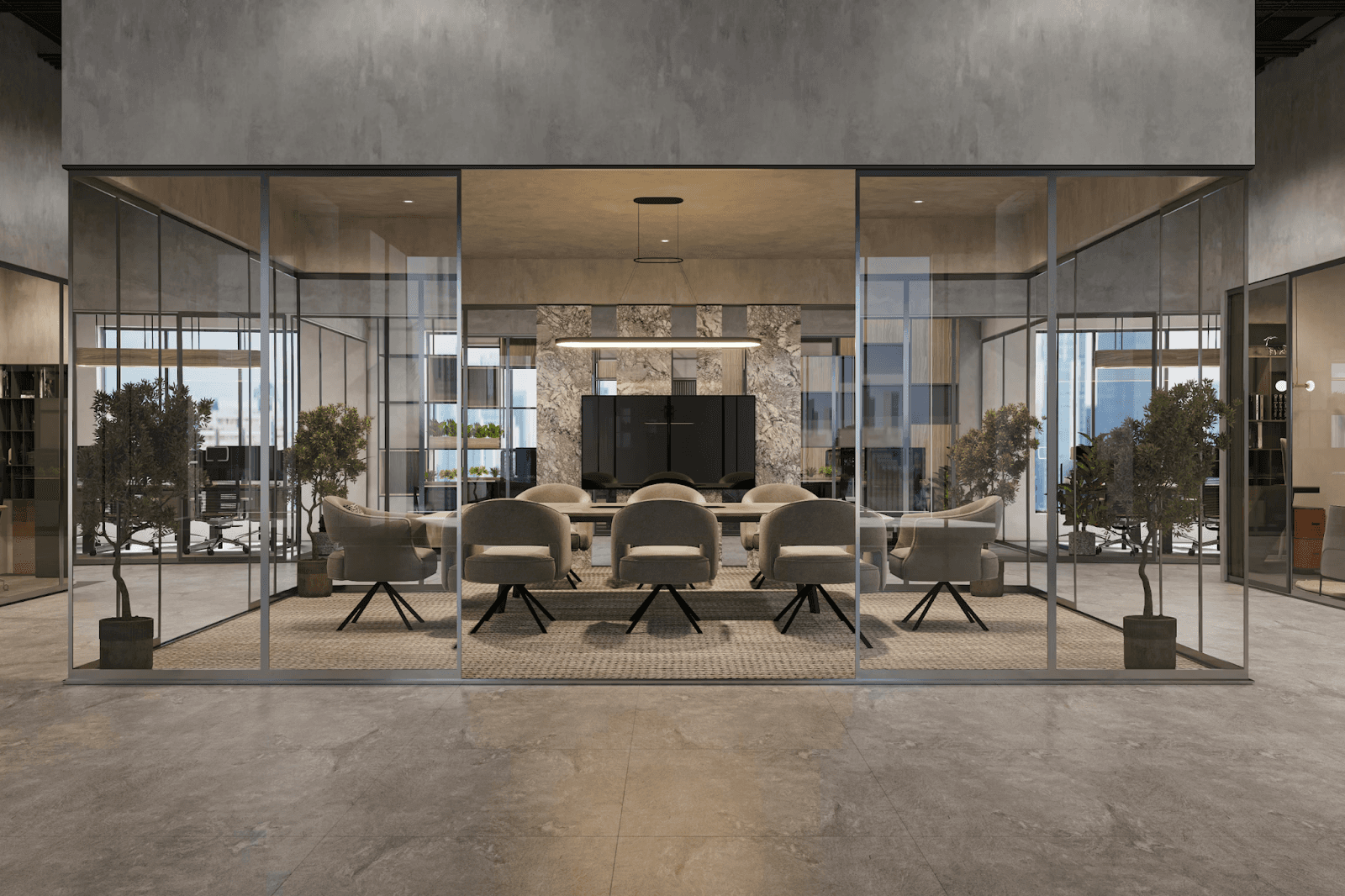 Designers in 2026 face an obstacle course disguised as a job description. Costs rise, timelines stretch, and regulations multiply like enthusiastic rabbits. Yet each complication hides an opportunity to demonstrate leadership and creativity at a level that clients rarely expect — but deeply value.
Rising Costs & Client Pressure
Inflation, post-Brexit supply chain tangles, and global uncertainty push construction costs upward like a stubborn balloon. Meanwhile, clients expect high sustainability, impressive tech integration, and flawless execution.
This tension becomes fertile ground for innovation.
From Specifier to Innovator
This environment encourages you to champion local materials that cut shipping costs or propose prefabrication that reduces installation time. Precision-built factory components bring reliability and speed to projects that cannot afford delays.
Off-site fabrication becomes your new best friend. It delivers accuracy, compresses the schedule, and impresses even the sceptics.
Balancing Beauty With Bureaucracy
Every designer eventually learns the alphabet soup of certifications: BREEAM, WELL, Equality Act 2010, fire codes, acoustic standards, lighting guidelines. Regulations can feel like a maze designed by someone who enjoys puzzles a bit too much.
Turning Compliance Into Competitive Edge
Top designers treat these rules as a framework for producing excellence rather than constraints. Integrated Design Processes (IDP) gather architects, engineers, sustainability experts, and interior designers on day one so everyone runs toward the same goal.
This approach prevents costly redesigns and creates a final result that’s aligned, coherent, and certifiable.
The Decline of Traditional Craft
Europe faces a shortage of skilled craftspeople. Finding a master joiner today feels like finding a Michelin-star chef willing to cook in your home kitchen on a Tuesday night. This shortage stretches timelines and swells budgets — especially for intricate bespoke work.
Designing for the Makers You Actually Have
You adapt. You specify elements that align with the current workforce:
- Panelised wall systems.
- CNC-milled joinery.
- Click-and-lock solutions that install faster than a team meeting finishing early.
This shift opens doors to new kinds of craftsmanship—digitally guided, precise, and surprisingly elegant.
The Trend vs. Timelessness Dilemma
Designers swim in a constant stream of trends. Every week delivers new colour moods, new material launches, new chairs that look like sculptures, and new brands claiming they invented sustainability.
Yet buildings live long lives. You balance relevance with longevity.
Designing With Layers
Stewart Brand’s Shearing Layers of Change becomes your compass. Structure stays for decades. Space plans shift every few years. Furniture rotates regularly. Décor changes seasonally.
Designing with layers gives clients a timeless foundation with the freedom to refresh the surface as often as they like — without financial pain or waste.
**Interior Design Lessons from Three Groundbreaking Projects
**
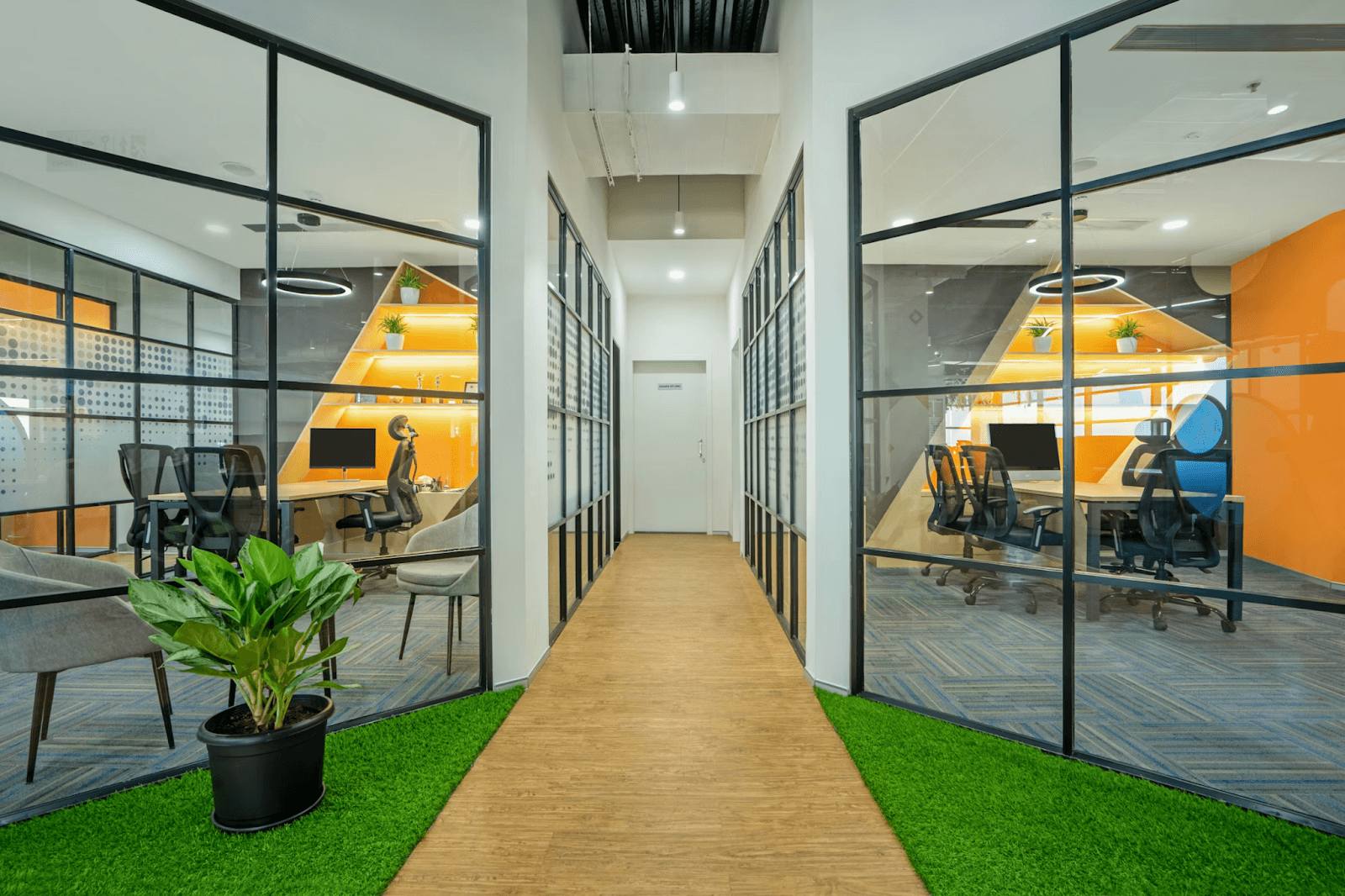 Theory becomes real when you see it executed. These three European projects demonstrate how bold thinking, smart strategy, and fearless creativity reshape commercial environments.
1. The Office as a Vertical Village
The team behind 22 Bishopsgate turned a skyscraper into a vertical neighbourhood. The building dedicates enormous square footage to amenities: food markets, gyms, lounges, and co-working hubs. It acts like a small city.
Lesson: Community drives office attendance more than perks. People crave belonging. Spaces that nurture connection win.
2. The Store as a Surreal Art Gallery
Gentle Monster Flagship, London
Gentle Monster built a retail world that feels more like an extraterrestrial art experience than a shop. Animatronics, kinetic sculptures, wild storytelling — the space operates as pure brand theatre.
Lesson: Physical retail builds social currency. Immersion beats traditional merchandising.
3. The Hotel as a Cultural Time Capsule
A Brutalist 1970s building transforms into a hotel with retro-futuristic style, bold colours, and a dramatic external lift that became an instant icon. The design respects the building’s original personality and amplifies it with vibrant contrast.
Lesson: Adaptive reuse thrives when designers embrace history instead of trying to hide it.
Your Role in the Future of Commercial Interior Design
Commercial interiors reach a transformational moment. Every trend in this guide converges on a shared mission: build environments that support human life, community, creativity, and adaptability.
The sterile, rigid, “office-as-a-box” era fades. The era of warm, flexible, human ecosystems rises.
AI becomes a powerful sketch partner. 15-minute cities reshape neighbourhoods. Hybrid living shifts expectations for every commercial space.
Your role grows. You evolve into a strategist, a cultural interpreter, a behavioural guide, and a designer shaping the environments where the next decade of human life will unfold.
The future belongs to designers who understand the power of space — and wield it boldly.